Overview
We drill a 6-inch borehole through overburden into competent bedrock, set steel casing with a 38-foot surface seal, then develop and test the well before any pump system is designed. Every well is drilled to the depth the geology requires — we research nearby recorded wells first so you start with real expectations, not a guess.
- Borehole
- 6 in
- Casing
- 6 in steel
- Surface seal
- 38 ft
- Typical depth
- 180 – 420 ft
- Service area
- North Idaho + Eastern Washington
In Depth
What to expect, explained properly.
What drilling a well actually is
A water well is a controlled hole through the ground into a formation that will give up water, lined so that nothing from the surface can get into it. That is the whole job. Everything else — rig size, bit type, air pressure, casing weight — is in service of those two things: reach water, keep it clean.
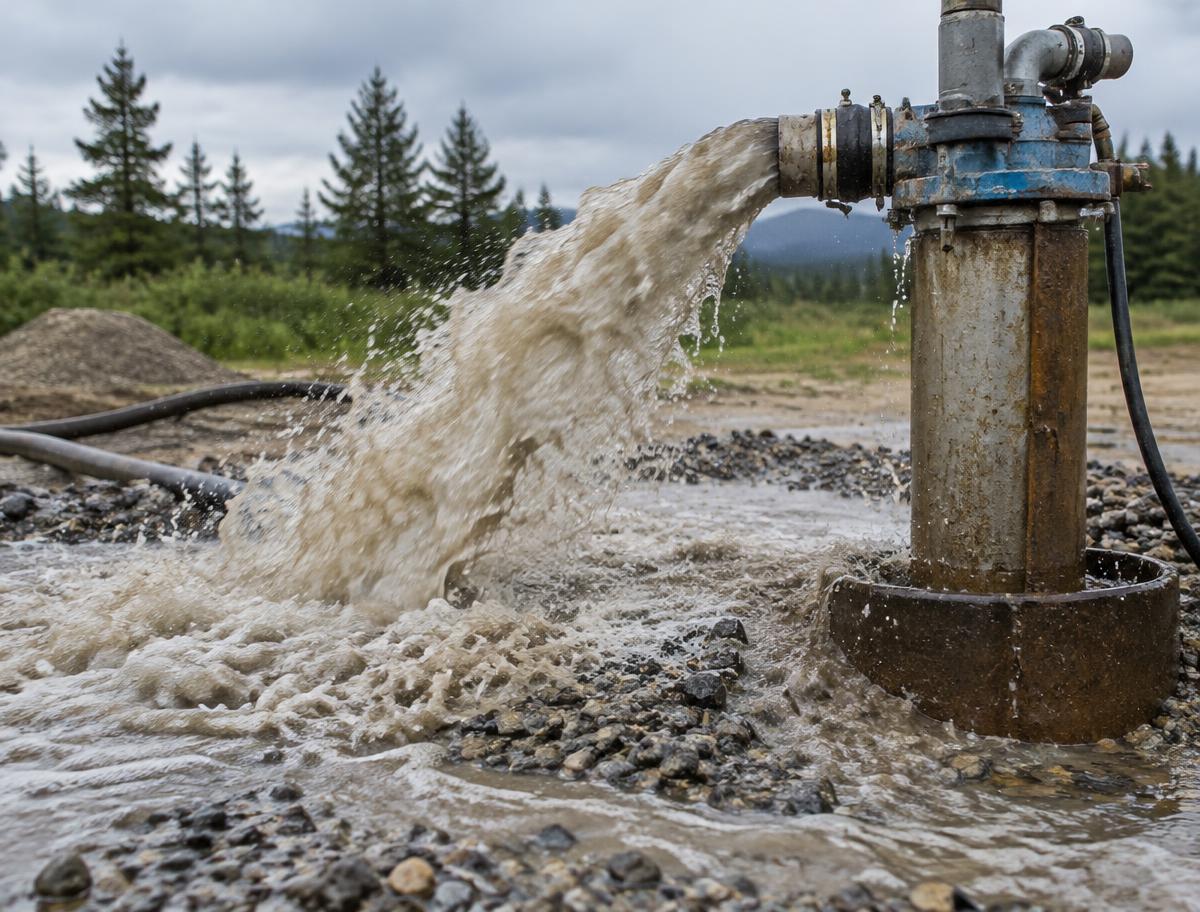
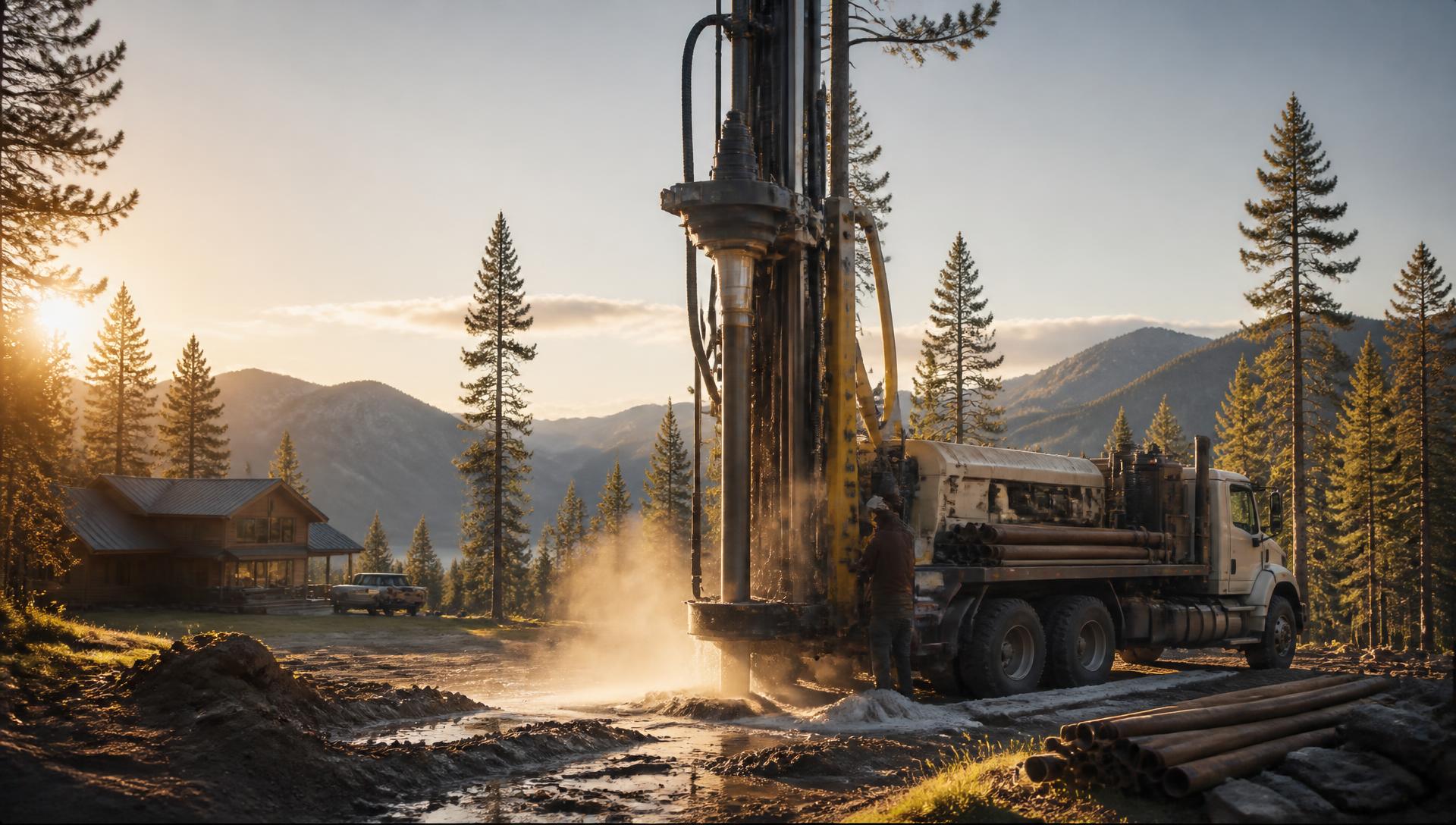
Most residential wells in North Idaho and Eastern Washington are drilled with an air rotary rig. Compressed air drives a hammer bit that fractures rock at the bottom of the hole and blows the cuttings back up to the surface, where they pile beside the rig. Those cuttings are information: the driller reads them continuously to log what formation the bit is in and when it changes.
In bedrock country you are not drilling into an underground lake. You are looking for water-bearing fractures — cracks in otherwise solid rock that connect to a larger network. When the bit crosses one, water comes up with the air and the yield is measured on the spot. That moment is why no honest driller will promise you a depth in advance.
How the well is built, layer by layer
The upper part of the hole passes through soil, clay, sand or broken rock — material that can collapse and that carries surface contamination. Steel casing is set through this zone and sealed. Idaho requires a minimum surface seal, and we standardize on a 38-foot seal of bentonite or grout in the annular space around the casing. That seal is the single most important protection your drinking water has against septic effluent, fertilizer, livestock runoff and surface flooding.
Below the casing, competent rock usually stands on its own, so the well is finished as open hole. In loose formations like the Rathdrum Prairie gravels, the well is instead screened or completed with a liner so cobbles and sand stay out of the pump.
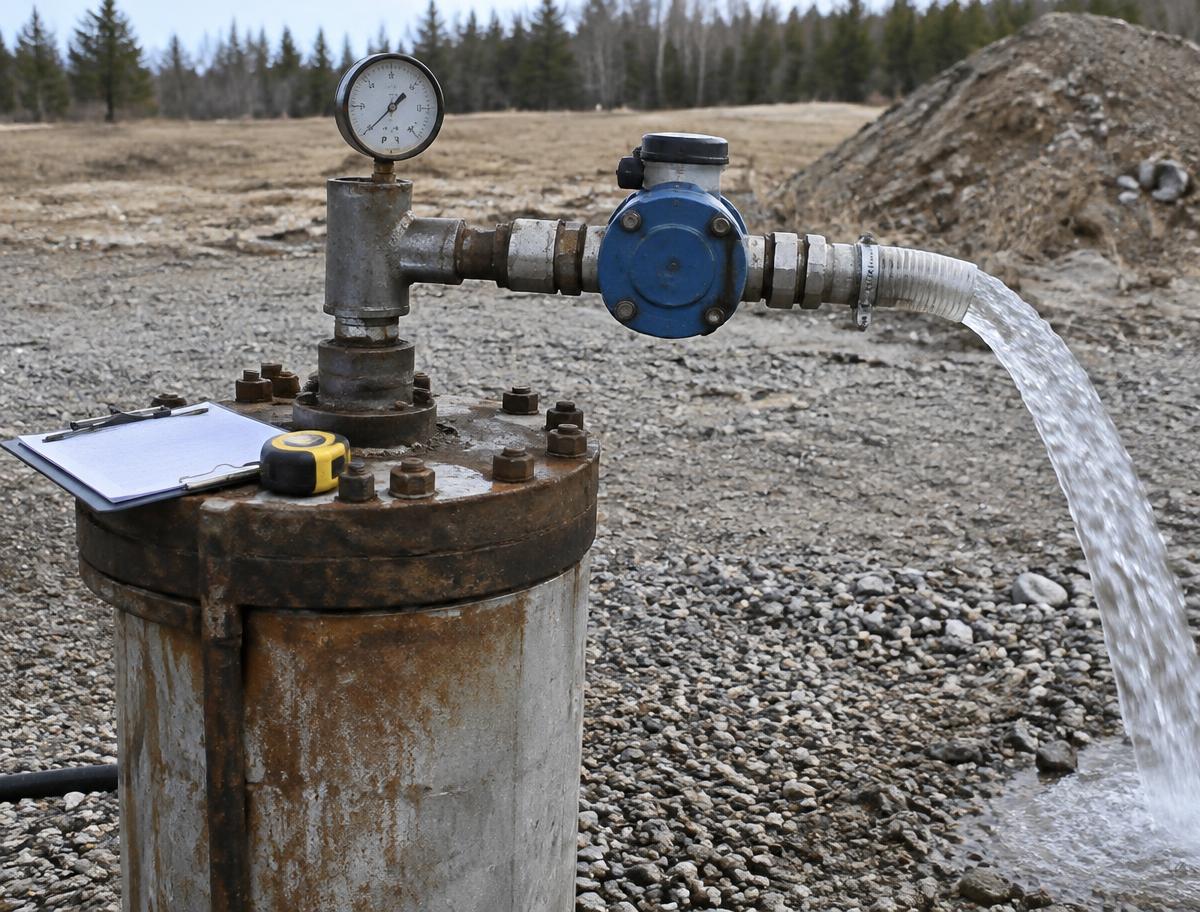
After the hole is complete the well is developed — surged and airlifted until the water runs clear of drilling fines. Then it is yield-tested and the static water level, pumping level, recovery rate and total depth are recorded. Those four numbers are what your pump system is later designed around.
The part most drillers won't put in writing
Drilling is sold by the foot because the depth is decided by the rock, not by the contractor. If we quoted a flat price, we would either have to pad it heavily or cut the well short. Neither serves you.
What we can do is remove as much of the unknown as possible before you spend a dollar. Every recorded well log filed with the Idaho Department of Water Resources and Washington Department of Ecology is public, and our property tool pulls the ones nearest your address — their depths, static levels and reported yields. If six neighbors averaged 240 feet, that is a real reference point. It is still not a guarantee, and we will not pretend otherwise.
We also tell you before the rig moves what happens if the first attempt underperforms: your options are to deepen, to relocate and try a second hole, or to accept a lower-yield well paired with storage and a properly sized pump. Low yield is very often solvable with storage. We would rather have that conversation on day one than at 300 feet.
Ground Conditions
North Idaho & Eastern Washington geology.
We drill across two distinctly different geologic worlds. Which one your property sits on drives depth, yield, drilling method and cost more than anything else.
Rathdrum Prairie / Spokane Valley
Glacial outwash — sand, gravel, cobbles, boulders
Deposited by the Ice Age Missoula Floods. This is the Spokane Valley–Rathdrum Prairie aquifer, one of the most productive aquifers in the country. Wells here are often comparatively shallow and high-yielding, but the material is loose and coarse, so casing, seal integrity and cobble drilling are the real challenges rather than depth.
Coeur d'Alene, Sandpoint, Hayden, Bonners Ferry uplands
Belt Supergroup metasedimentary rock — quartzite, argillite, siltite
Hard, ancient, tightly cemented rock. Water is not stored in the rock itself; it moves through fractures. That is why two wells a few hundred feet apart can hit water at very different depths — you are drilling for a fracture, not for a layer.
Priest River, Kaniksu batholith country, higher benches
Granitic bedrock
Similar fracture-flow behavior to the Belt rock, often with a weathered decomposed-granite zone near surface. Yields are typically modest but steady; storage in the well column and correct pump setting matter more here than raw gallons per minute.
Spokane, Cheney, Palouse, Columbia Basin
Columbia River Basalt Group with Latah Formation interbeds
Stacked lava flows. Water is usually found at the contacts between flows — rubbly interflow zones — while the dense flow interiors produce almost nothing. Sediment interbeds of clay and sand can also carry water. Depths vary widely and a well can pass through several dry flows before reaching a producing contact.
Palouse hills and farm ground
Loess — deep wind-blown silt over basalt
Loess is easy drilling but generally not a water source. It matters mostly for surface-seal design and for keeping fine silt out of the completed well.
Geology in the Inland Northwest changes over short distances — two neighbors on the same road can have very different wells. Everything below describes conditions that are common in the region, not a prediction for your parcel.
On Your Property
What the job looks like for you.
Before the rig arrives
We walk the property with you, mark the well location for setbacks from septic, property lines and structures, confirm access for a rig and water truck, and pull the drilling permit. You will know the access route and the staging area in advance.
Site impact
A drill rig and support truck are heavy. Expect equipment ruts on the access route, a pile of cuttings and water discharge near the hole, and real noise during working hours. We contain discharge and clean up cuttings, but a freshly drilled site is a work site for a few days.
How long it takes
Most residential wells are drilled in one to three days on site. Hard quartzite, deep basalt sequences or cobble zones take longer. Weather, road access and permit timing affect the schedule more than the drilling itself.
What you get at the end
A completed, cased, sealed and developed well; measured depth, static level and tested yield; the state driller report filed under your parcel; and a permanent copy of all of it in your Well Worx project record.
What comes next
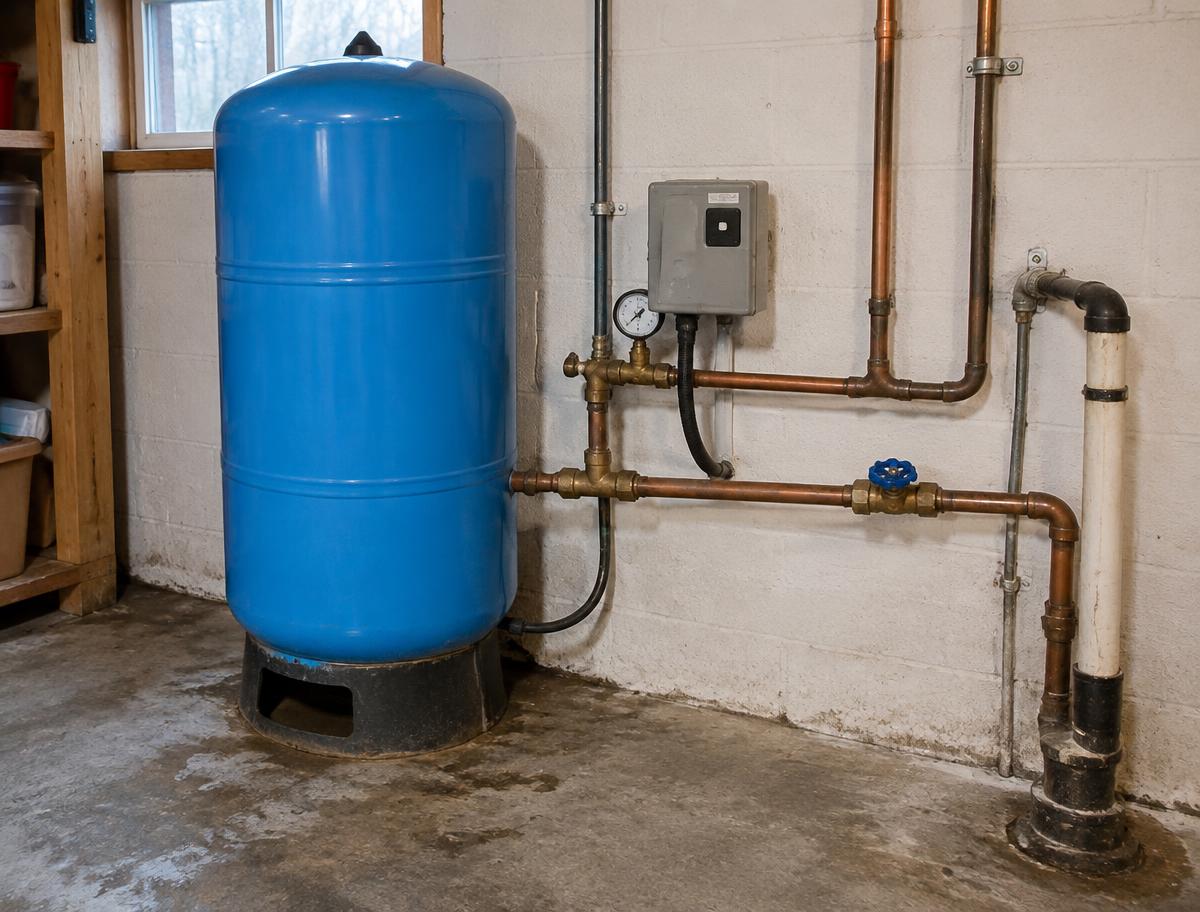
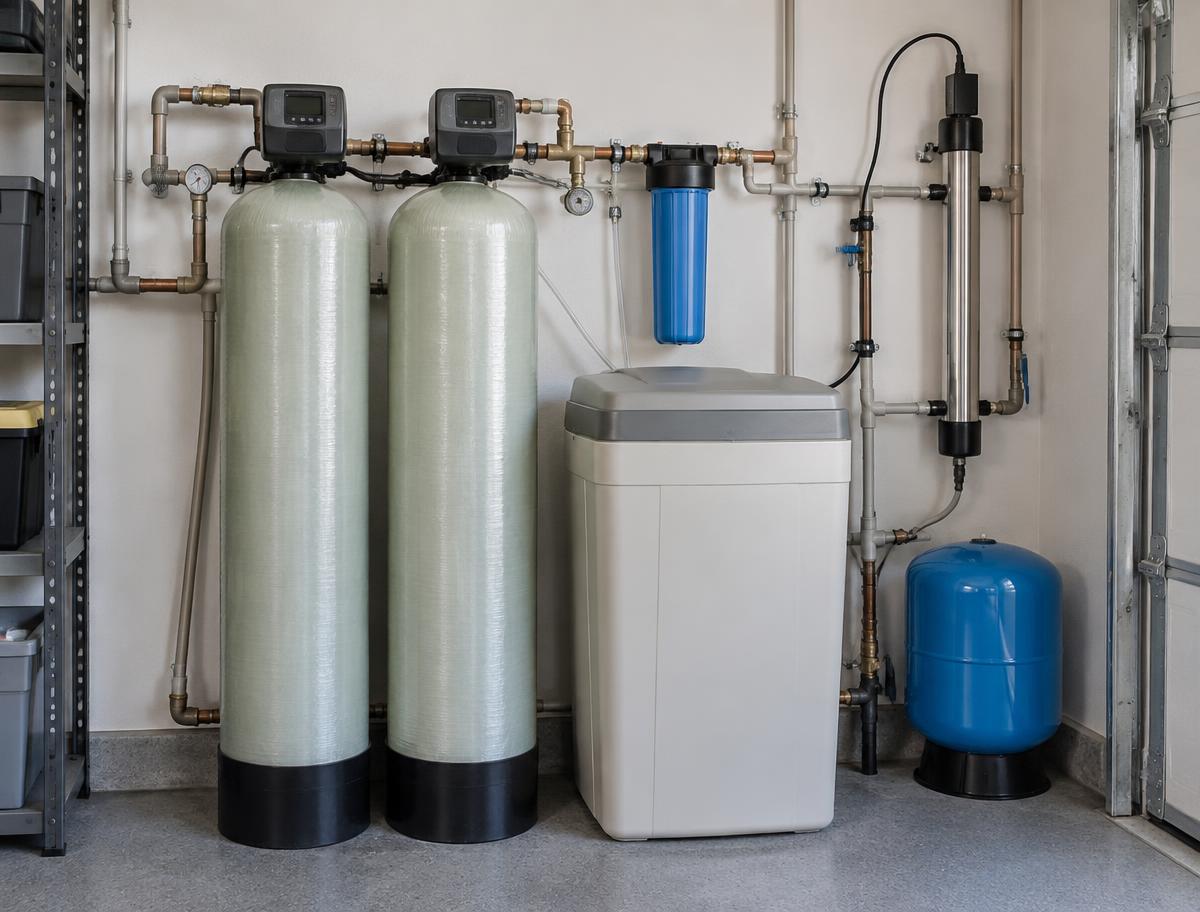
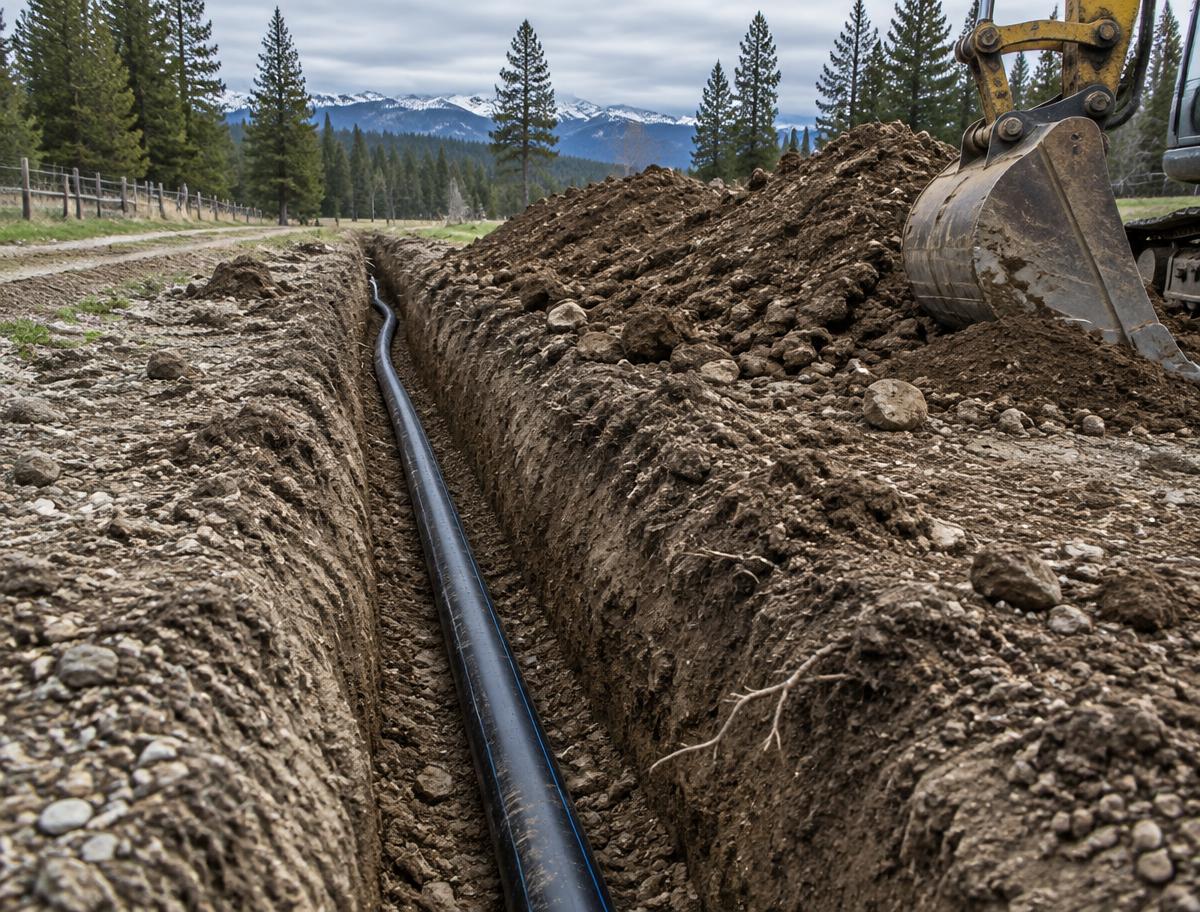
A drilled well is not yet running water. The pump system, pitless adapter, water line and any treatment are separate scopes, designed from the numbers your finished well produced.
Typical Investment
What well drilling usually runs.
Ranges below reflect typical projects in our service area. They are planning numbers — not a quote. Your estimate is built from your property, your well data and the actual scope of work.
Drilling
Per foot of borehole
Steel casing & surface seal
Per foot of cased depth
Site work & permitting
Mobilization, permits, cleanup
Typical complete well
250 – 320 ft, before pump system
What's Included
Scope of work.
Pre-drill research
We pull recorded state well logs near your parcel to review likely depth, static level and yield.
Site layout
Well location marked for setbacks, access, septic distance and future service.
Drilling
6-inch hole advanced through overburden and into bedrock.
Casing & seal
6-inch steel casing set with a 38-foot surface seal against surface-water infiltration.
Development & testing
The well is cleared of fines and tested for yield, water level and sustained performance.
Records
State driller report filed and a copy kept in your project record permanently.
How It Goes
Start to finish.
- 01
Property review
Nearby well records and site access reviewed.
- 02
Estimate & approval
Line-item estimate with a 50% deposit to schedule.
- 03
Drilling
Most residential wells are drilled in 1 – 3 days on site.
- 04
Test & records
Yield testing, then documentation into your portal.
Straight Answers
Questions we
actually get.
What if you don't find water?
Drilling is paid by the foot because the rock does not negotiate. We tell you what nearby records show before we start, and we talk through options — deeper, relocate, or a storage-assisted system — before more footage is drilled.
How deep will my well be?
We can't guarantee a depth. Nearby recorded wells are the best available indicator and we show you those records for your address before you commit.
Do I need a permit?
Idaho and Washington both require a drilling permit and a filed driller report. We handle both.
Well Worx does not guarantee depth, water quantity, yield, water quality or geologic conditions. Recorded state well data is historical information published by state agencies and is not a prediction of results on your property.