Overview
Lenders, buyers, realtors and owners all need the same thing: documented proof of what the well actually does. We run timed flow tests, record static and pumping levels, and issue a report you can hand to an underwriter.
- Test lengths
- 1 hr / 2 hr / 4 hr
- Measured
- GPM, static, pumping level, recovery
- Turnaround
- Report typically 1 – 2 business days
- Lab panels
- Bacteria, nitrate, metals
- Format
- PDF, stored in your portal
In Depth
What to expect, explained properly.
What a real well test measures
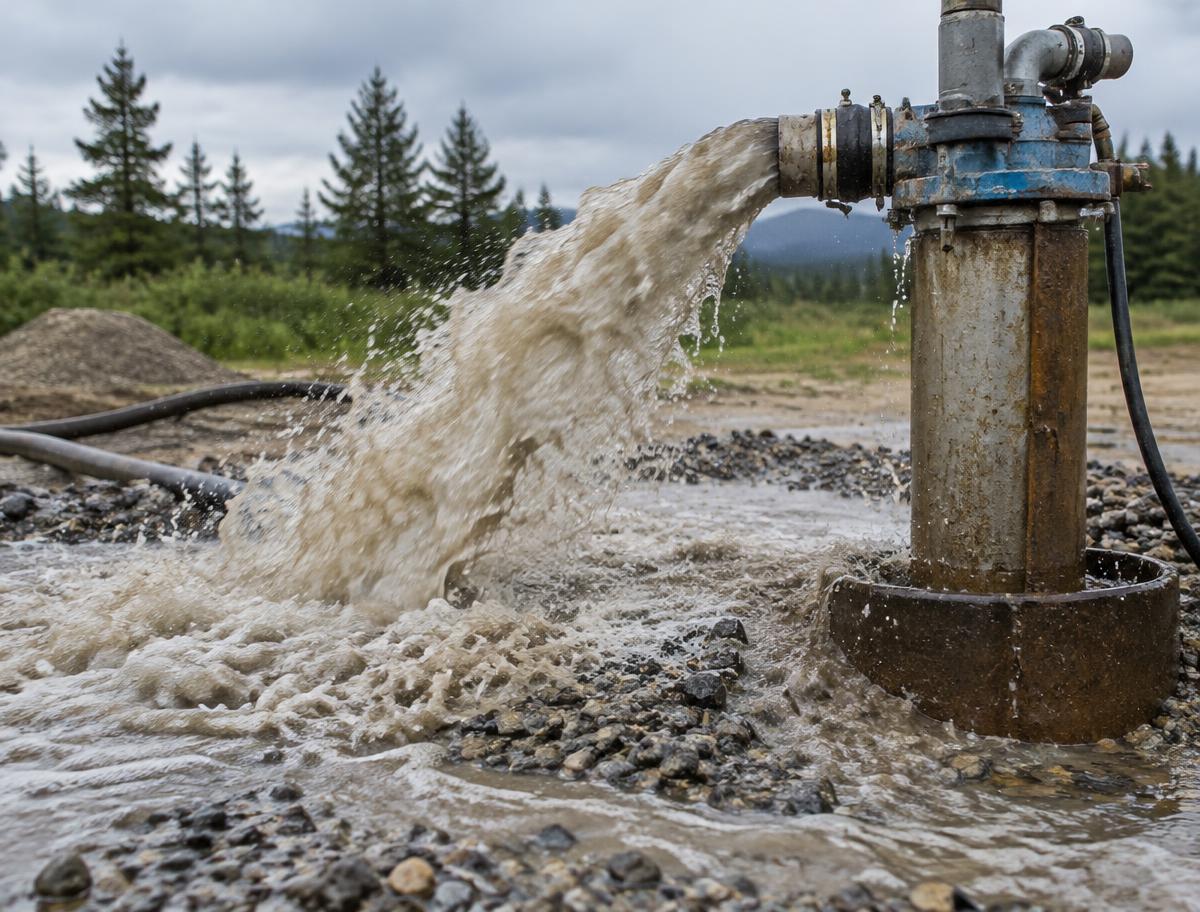
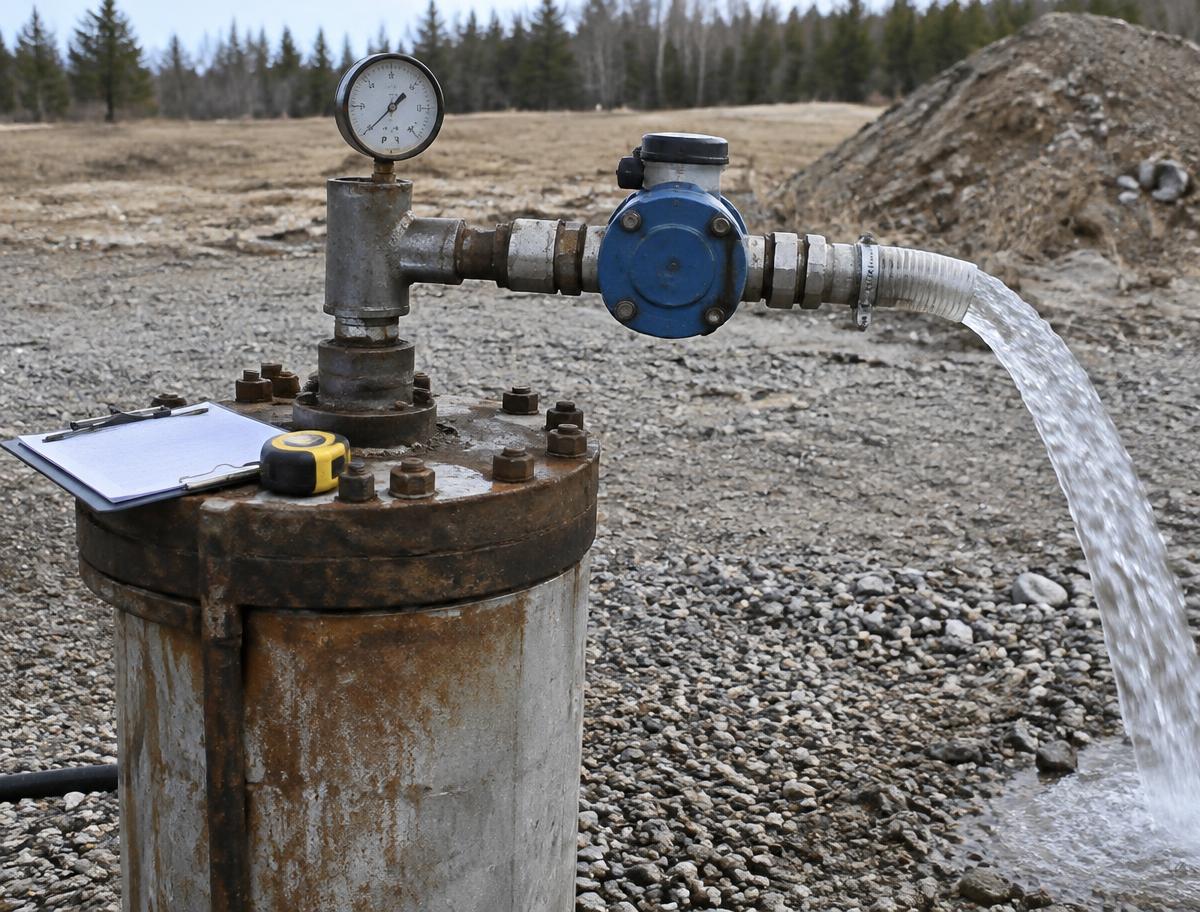
A well test is not someone opening a hose bib and watching it run. It is a timed, measured procedure: static water level before pumping, a sustained controlled pumping rate, the pumping level the well settles to, and how quickly the level recovers after shutdown.
Those four values together describe the well's actual sustainable capacity. A well that gushes for ten minutes and then draws down hard is a very different asset than one that holds a steady rate for four hours, and only a timed test tells them apart.
Buying a home with a well
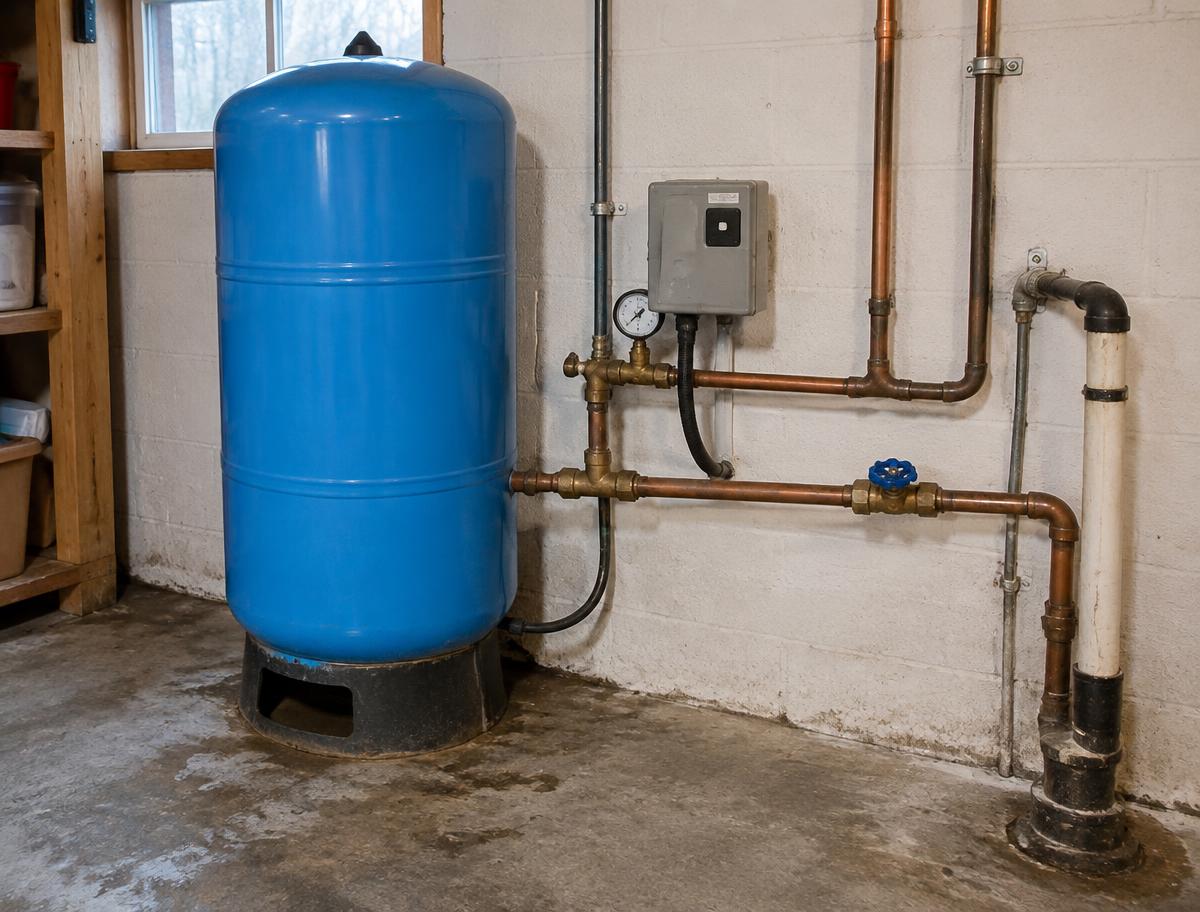
For a real estate transaction we test yield, inspect the visible system — casing, cap, pitless, wiring, pressure tank and switch — and collect samples for the lab panel your lender or program requires. The result is a written report with measured values, not adjectives.
We report what the well did. If the number lands below a lender threshold, we will tell you what your options are, but we will not adjust a measurement to close a deal. That is the reason our reports carry weight with underwriters, and it is the reason a seller's agent occasionally does not enjoy hearing from us.
Testing you should do even when nobody requires it
Private wells are not regulated the way public water systems are — nobody tests yours unless you ask. A bacteria and nitrate panel annually, and a broader panel every few years or after any well or pump work, is the reasonable baseline.
Testing after a flood, a nearby septic replacement, a change in taste, color or odor, or any time the well cap has been off is not paranoia. It is the cheapest thing you will ever do for that water system.
Ground Conditions
North Idaho & Eastern Washington geology.
Interpreting a test result requires knowing what formation the well draws from — the same gallons per minute means different things in different rock.
Rathdrum Prairie / Spokane Valley
Glacial outwash — sand, gravel, cobbles, boulders
High-capacity aquifer wells commonly show large yields with very little drawdown. A gravel well that draws down hard is a signal something is wrong with the well, not the aquifer.
Coeur d'Alene, Sandpoint, Hayden, Bonners Ferry uplands
Belt Supergroup metasedimentary rock — quartzite, argillite, siltite
Fracture-fed wells frequently show significant drawdown and slow recovery, and can still serve a household reliably. Recovery rate is the number that matters most here.
Priest River, Kaniksu batholith country, higher benches
Granitic bedrock
Modest steady yields are normal. Storage in the water column often carries peak demand, so total well depth factors into the interpretation.
Spokane, Cheney, Palouse, Columbia Basin
Columbia River Basalt Group with Latah Formation interbeds
Results swing widely depending on whether the well intersects a productive interflow contact. Sustained testing separates a strong contact from a small one that produces well briefly.
Geology in the Inland Northwest changes over short distances — two neighbors on the same road can have very different wells. Everything below describes conditions that are common in the region, not a prediction for your parcel.
On Your Property
What the job looks like for you.
Scheduling
Real estate timelines are usually accommodated within a few business days. Tell us the closing date up front and we will tell you honestly whether we can meet it.
On site
One to four hours depending on scope. Discharge water is routed away from the foundation and any drainfield. The house is generally usable during the test.
Vacant or off-grid properties
No power and no pump is not a blocker — we can bring a test pump and generator and still produce measured results.
The report
A PDF with static level, pumping level, sustained yield, recovery, equipment condition and any lab results, typically within one to two business days and stored permanently in your project record.
What the report will not do
It documents the well's performance on the day it was tested. It is not a warranty of future yield or water quality, and we will not describe it as one.
Typical Investment
What inspections & testing usually runs.
Ranges below reflect typical projects in our service area. They are planning numbers — not a quote. Your estimate is built from your property, your well data and the actual scope of work.
Standard flow test
Timed yield, static and pumping level
Real estate well inspection
Flow test, equipment inspection, report
Water quality panel
Bacteria + nitrate, lender standard
Extended 4-hour test
Sustained yield for lending or design
What's Included
Scope of work.
Static level
Resting water level measured before the test starts.
Timed flow test
Sustained pumping with measured yield over the test duration.
Drawdown & recovery
How far the level drops and how fast it comes back.
Equipment inspection
Casing, cap, pitless, tank, wiring and pressure switch.
Water sample
Collected for lab analysis when requested.
Written report
Lender-ready PDF with all measured values.
How It Goes
Start to finish.
- 01
Schedule
Often within a few days for real estate timelines.
- 02
On site
Test runs 1 – 4 hours depending on scope.
- 03
Lab
Samples processed if a quality panel was ordered.
- 04
Report
PDF delivered to you and your agent or lender.
Straight Answers
Questions we
actually get.
What GPM do lenders want?
Requirements vary by lender and program. We report the measured number — we don't adjust it to fit a threshold.
Can you test a well with no power?
Yes, we can bring a test pump and generator for vacant or off-grid properties.
How fast can you get out?
Real estate timelines are usually accommodated within a few business days.
Well Worx does not guarantee depth, water quantity, yield, water quality or geologic conditions. Recorded state well data is historical information published by state agencies and is not a prediction of results on your property.
Also from Well Worx